Anti Aging Skincare Routine for Beginners (The Complete Step-by-Step Guide)
Anti Aging Skincare Routine for Beginners: Anti aging skin care can feel overwhelming when you’re just getting started. There are so many serums, acids, creams, active ingredients, and “miracle” products that it’s hard to understand what actually works. But achieving youthful, glowing, and healthy skin doesn’t have to be complicated. With the right structure and a consistent routine, you can dramatically improve your skin’s texture, brightness, firmness, and elasticity—without confusion.
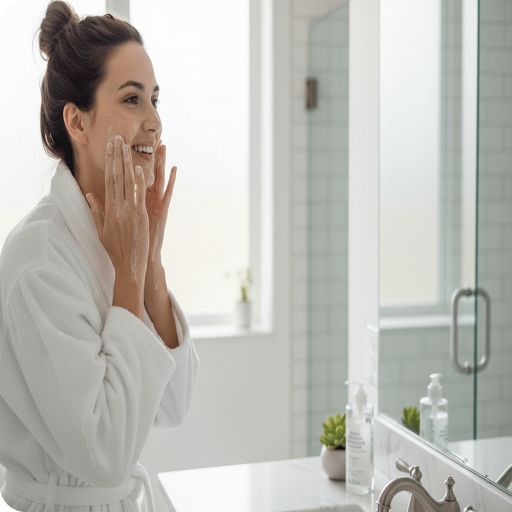
This beginner-friendly guide walks you through everything: morning and night routines, the best ingredients, common mistakes, weekly extras, and a simple routine you can start today. Whether you’re in your 20s hoping to prevent early signs of aging or in your 40s+ looking to improve existing lines and texture, this guide will give you a clear, effective plan.
Anti-aging skincare is all about supporting your skin’s natural functions: protecting it from damage, repairing stressed areas, and boosting collagen production. Factors like sun exposure, lifestyle habits, pollution, lack of sleep, and even the wrong skincare products can accelerate early signs of aging. Implementing the right routine consistently makes a huge difference—even if you’re starting from scratch.
In this guide, you’ll find a complete anti-aging routine designed specifically for beginners. All steps are easy to follow and suitable for most skin types, including sensitive skin.
What Is Anti Aging Skin Care?
Anti aging skin care focuses on preventing and reducing visible signs of aging such as fine lines, wrinkles, dullness, sagging, and uneven skin tone. As we age, collagen production slows, cell turnover decreases, and skin loses elasticity. Environmental factors — UV exposure, stress, pollution, lack of sleep, and lifestyle choices — accelerate this process.
A good anti-aging routine works by:
- Protecting the skin barrier
- Boosting collagen and elastin
- Improving hydration levels
- Increasing cell turnover
- Reducing inflammation and oxidative stress
- Supporting long-term skin health
And the best part? You don’t need 10 products to see results. For beginners, the right 3–5 essential steps make a dramatic difference.
Beginner Anti-Aging Skincare Routine (Morning)
The main goal of your morning routine is protection. Sun exposure, pollution, and free radicals contribute to more than 80% of visible aging, so what you do in the morning has a huge impact on long-term skin health.
1. Gentle Cleanser
Your skin doesn’t need harsh cleansing in the morning. Choose a gentle gel or cream cleanser to remove oils and impurities that accumulate overnight. Avoid products with strong sulfates or drying alcohols. Maintaining a healthy skin barrier is the foundation of any anti-aging routine.
Start with a mild, hydrating cleanser that removes sweat, oil, and overnight buildup without stripping the skin. A damaged moisture barrier leads to irritation, dryness, and fine lines — the opposite of what you want.
Look for:
- Glycerin
- Ceramides
- Aloe vera
- Low-foam or cream formulas
Avoid:
- Harsh scrubs
- High-foam cleansers
- Products with strong fragrance
2. Vitamin C Serum (Beginner-Friendly Antioxidant)
Vitamin C is one of the most important morning steps. It brightens the skin, protects against free radicals, promotes collagen production, and enhances sunscreen effectiveness. Beginners should start with 10–15% L-ascorbic acid or gentler derivatives. Daily use helps fade dark spots, boost radiance, and protect against premature aging. It brightens skin, boosts collagen, reduces dark spots, and protects against environmental damage.
For beginners, start with stable, low-irritation forms such as:
- Sodium Ascorbyl Phosphate (SAP)
- Magnesium Ascorbyl Phosphate (MAP)
These give all the benefits of vitamin C without the stinging or instability of L-Ascorbic Acid.
If you want extra antioxidant protection, look for formulas that also include:
- Ferulic acid
- Vitamin E
- Niacinamide
3. Lightweight Moisturizer
Choose a moisturizer that matches your skin type. Gel moisturizers work well for oily and combination skin, while creamier formulations with hyaluronic acid or ceramides benefit dry skin. Hydration plumps the skin, softens fine lines, and improves elasticity. A good morning moisturizer strengthens the barrier and prepares your skin for sunscreen.
Best ingredients:
- Hyaluronic acid (deep hydration)
- Niacinamide (brightening + anti-inflammatory)
- Ceramides (barrier repair)
- Peptides (plumping)
Choose gel textures for oily skin, creams for dry skin.
4. Sunscreen (The #1 Anti-Aging Step)
No anti-ageing routine works without sunscreen. UV exposure breaks down collagen and speeds up wrinkles, hyperpigmentation, and loss of elasticity.
Choose a sunscreen that is:
- SPF 30 or higher
- Broad-spectrum (UVA + UVB)
- Non-greasy and comfortable
Daily sunscreen use is proven to make skin look younger, firmer, and more even-toned over time — even without other anti-aging products.
Beginner Anti-Aging Skincare Routine (Night)
Your nighttime routine should focus on repair and renewal. While you sleep, your skin works harder to regenerate, making nighttime the perfect moment for anti-aging ingredients.
1. Double Cleansing
If you wear sunscreen (you should!) or makeup, double cleansing ensures a clean base for your night products. At night, use an oil-based cleanser first to dissolve sunscreen and makeup. Follow with a water-based cleanser to remove dirt and impurities. Double cleansing ensures your skin is truly clean, allowing anti-aging ingredients to penetrate more effectivel
Step 1: Oil-based cleanser — removes sunscreen, makeup, and excess sebum
Step 2: Gentle water-based cleanser — cleans the skin without stripping it
This prevents clogged pores, breakouts, and dullness.
2. Retinol or Retinoid (The Gold Standard for Anti-Aging)
Retinol is the most researched and effective ingredient for improving visible signs of aging. It increases cell turnover, boosts collagen, fades dark spots, and improves overall texture.
How beginners should introduce retinol:
Start 1–2 times a week
Begin with 0.2–0.3%
Avoid using exfoliants or vitamin C on the same night
Always apply moisturizer afterwards
If your skin is sensitive, use gentler retinoids such as:
Retinyl palmitate
Granactive retinoid (best beginner option)
Retinaldehyde (effective but less irritating)
Remember: slow and steady wins the anti-aging race.
3. Hydrating Serum
Retinol can cause dryness as your skin adjusts. A hydrating serum helps balance your routine and maintains a strong barrier.
Top ingredients:
Hyaluronic acid
Panthenol
Centella asiatica (soothing)
Peptides (firming)
Beta-glucan (deep hydration)
4. Nourishing Night Cream
Finish with a rich cream to lock in hydration and support overnight recovery.
Look for:
Ceramides
Squalane
Shea butter (for dry skin)
Peptides
Cholesterol (supports barrier repair)
This step improves softness, elasticity, and overall glow.
WEEKLY ANTI-AGING BOOSTERS
These are not daily essentials, but using them 1–2 times per week gives a noticeable boost.
1. Exfoliation
Exfoliation removes dead skin cells, improves brightness, and enhances product absorption.
Choose based on skin type:
AHA (glycolic or lactic acid) — dull, dry, or mature skin
BHA (salicylic acid) — oily, congested, or acne-prone skin
Important:
Do not exfoliate on the same night you use retinol — this is a common beginner mistake.
2. Anti-Aging Sheet Masks or Cream Masks
Masks help restore hydration and calm the skin, especially useful during your retinol adjustment period.
Ideal ingredients:
Niacinamide
Peptides
Ceramides
Collagen
Snail mucin (hydration + repair)
Best Anti-Aging Ingredients for Beginners
Here are the most effective and beginner-safe ingredients to look for:
1. Vitamin C: Brightens the skin, boosts collagen, and protects against UV damage.
2. Retinol / Retinoids: The most effective anti-aging ingredients when used consistently.
3. Peptides: Support collagen and elasticity with zero irritation.
4. Hyaluronic Acid: Provides deep hydration and plumps fine lines instantly.
5. Niacinamide: Reduces redness, strengthens the skin barrier, and improves pores.
6. Ceramides: Essential for repairing and maintaining a healthy moisture barrier.
Mistakes Beginners Should Avoid
1. Using Too Many New Products at Once
This causes irritation and makes it difficult to know what works.
2. Overusing Retinol
Using it too often will lead to dryness, redness, and peeling. Start slowly.
3. Skipping Sunscreen
Retinol + sun exposure = faster aging, not improvement.
4. Switching Products Too Quickly
Consistency is key — stick with products for at least 6–8 weeks.
5. Ignoring Skin Type
A routine that works for oily skin may irritate dry or sensitive skin.
Simple Beginner Anti-Aging Routine (Quick Start Guide)
Morning Routine
Gentle Cleanser
Vitamin C Serum
Lightweight Moisturizer
Sunscreen SPF 30+
Night Routine
Double Cleanse
Retinol (1–2x per week to start)
Hydrating Serum
Night Cream
Weekly Extras
Exfoliation: 1–2x
Hydrating mask: 1–2x
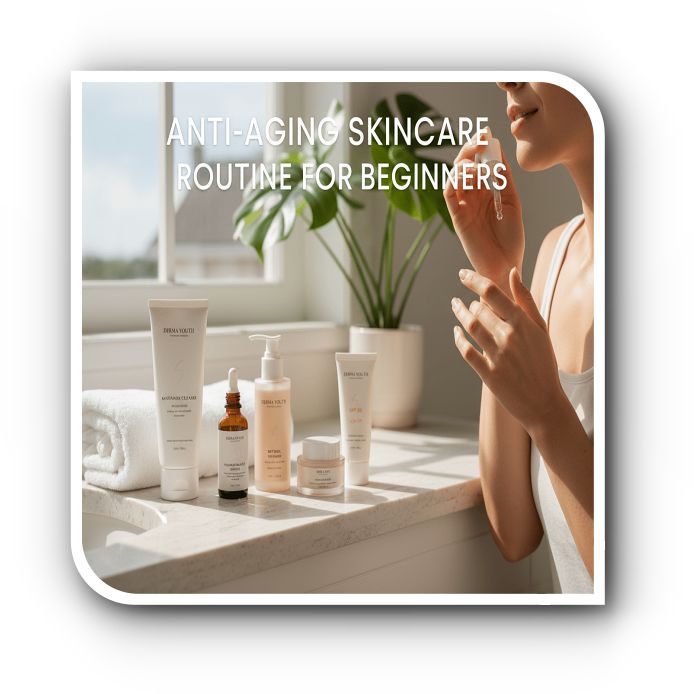
HOW TO BUILD A LONG-TERM ANTI-AGING ROUTINE
Start with essential steps
A simple routine—cleanser, vitamin C, moisturizer, sunscreen, and retinol—is more than enough to begin seeing results.
Be consistent
Anti-aging skincare is a long-term routine. The more consistent you are, the more meaningful your results will be.
Adapt as your skin improves
Once your skin gets stronger and more tolerant, you can slowly introduce stronger actives or new ingredients.
Focus on lifestyle habits too
Healthy sleep, hydration, nutrition, and stress management support your skin just as much as topical products.
FAQs
1. When should I start anti-aging skincare?
Most people benefit from starting in their mid-20s to early 30s, but it’s never too late.
2. Can beginners use retinol every night?
No — start slowly and increase frequency as your skin adapts.
3. Should I exfoliate on retinol nights?
Avoid this to prevent irritation.
4. Do I need both vitamin C and retinol?
You don’t need both, but using vitamin C in the morning and retinol at night creates a powerful anti-aging routine.
5. Is sunscreen really necessary?
Yes. Without sunscreen, all other anti-aging efforts are wasted.
6. Can I use natural products?
Yes, as long as they contain clinically supported ingredients.
7. When will I see results?
Hydration changes appear immediately, but anti-aging improvements take 6–12 weeks.
Conclusion
An effective anti-aging routine doesn’t require dozens of products. You only need the right steps, the right ingredients, and a schedule your skin can handle. With a gentle morning routine, retinol-based evening routine, and weekly boosters, you can dramatically improve your skin’s firmness, brightness, and overall health.
This beginner-friendly routine is designed to help you start safely, avoid irritation, and build long-term habits that truly make a difference. With consistency, you’ll notice smoother texture, more even tone, less visible fine lines, and a healthy glow that lasts.
If you’re ready to build a complete routine tailored to your skin type, explore our full guide here: 👉 Best Anti-Aging Routine